
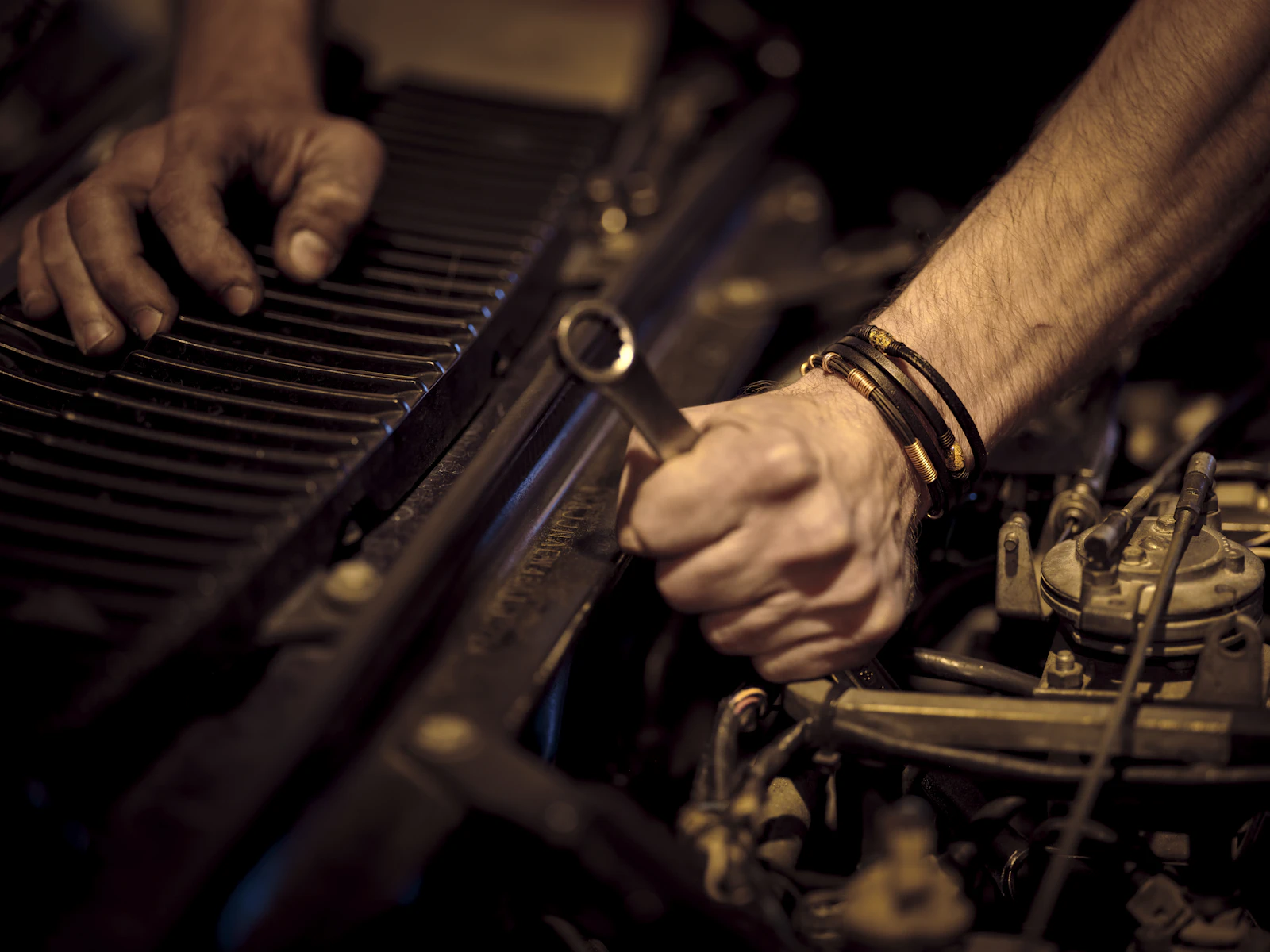

Engine timing belt and components

Timing Belt, Wet Belt & Timing Chain Specialists

Expert engine timing repairs for all makes and models. If it fails, it can cause severe engine damage — we help prevent that.

A timing belt, wet belt, or timing chain is one of the most critical components of your engine.

Engine timing belt

Timing Belt Replacement

A timing belt synchronises the rotation of the crankshaft and camshaft, ensuring the engine's valves and pistons operate correctly. Over time, timing belts wear and must be replaced at the intervals recommended by the vehicle manufacturer.
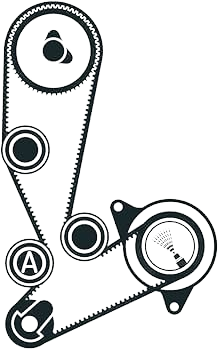
Wet belt running in engine oil

Wet Belt Replacement Specialists

A wet belt operates inside the engine and runs within the engine oil. These systems are commonly fitted to modern vehicles, particularly certain Ford, Peugeot, Citroën, Vauxhall, and other manufacturers' engines.

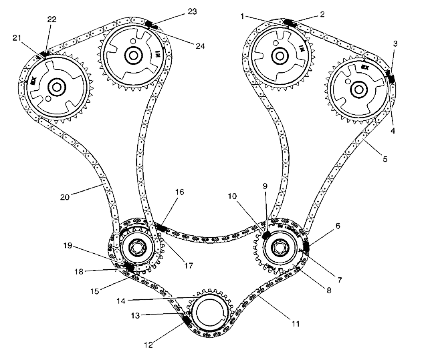
Engine timing chain

Timing Chain Repairs & Replacement

A timing chain performs the same function as a timing belt but is made of metal and designed to last longer. However, timing chains can still wear, stretch, or fail over time.

Timing Belt Replacement

Signs Your Timing Belt May Need Replacing

  • Rattling or unusual engine noises
  • Difficulty starting
  • Engine misfires
  • Loss of performance
  • Visible wear or cracking (where accessible)
  • Vehicle has reached the recommended replacement interval

Our Timing Belt Service Includes

Complete timing belt replacement

Timing belt replacement Tensioner replacement Idler pulley replacement Water pump replacement (where recommended) Coolant replacement (where applicable) Complete system inspection

Wet Belt Replacement Specialists

Common Symptoms of Wet Belt Problems

  • Engine warning light illuminated
  • Loss of oil pressure
  • Poor engine performance
  • Unusual engine noises
  • Timing-related fault codes
  • Engine starting issues

Our Wet Belt Service Includes

Complete wet belt replacement

Wet belt replacement Oil pump belt replacement (where applicable) Engine oil and filter replacement Oil strainer inspection and cleaning Timing system inspection Manufacturer-specified procedures and parts

Timing Chain Repairs & Replacement

Signs of Timing Chain Problems

  • Rattling noise from the engine
  • Engine management warning light
  • Poor engine performance
  • Misfires
  • Difficulty starting
  • Timing-related fault codes

Our Timing Chain Services Include

Complete timing chain replacement

Timing chain diagnostics Timing chain replacement Chain guide replacement Tensioner replacement Timing component inspection Engine timing correction

Why Replace Your Timing Components on Time?

Replacing a worn timing belt, wet belt, or timing chain before failure can help:

✔

Prevent catastrophic engine damage

✔

Avoid expensive repair bills

✔

Maintain engine performance

✔

Improve reliability

✔

Protect your vehicle's value

✔

Ensure manufacturer maintenance compliance

Why Choose AW General Motors?

Expert timing system specialists in Bolton

Timing System Specialists

We have extensive experience replacing timing belts, wet belts, and timing chains across a wide range of vehicle manufacturers.

Quality Parts

We use trusted, high-quality components designed to meet or exceed manufacturer specifications.

Manufacturer Procedures

All work is carried out according to manufacturer guidelines to ensure reliability and peace of mind.

Honest Advice & Transparent Pricing

We provide clear quotations and explain all work before it is carried out.

Vehicles We Commonly Work On

We regularly replace timing belts, wet belts, and timing chains on vehicles from:

Ford Peugeot Citroën Vauxhall Volkswagen Audi BMW Mercedes-Benz Nissan Toyota Renault Fiat And many more

FAQ

Timing belt, wet belt and timing chain questions answered.

How do I know if my car has a timing belt or wet belt?

Call us with your registration and we'll identify the timing system. Common wet belt engines include many Ford EcoBoost, Peugeot, Citroën and Vauxhall models. We'll advise on the correct replacement interval.

What happens if a timing belt snaps?

On most engines, a snapped timing belt causes catastrophic engine damage — bent valves, damaged pistons and in some cases a complete engine write-off. Preventative replacement is far cheaper than the alternative.

How often should a timing belt be replaced?

Intervals vary by manufacturer — typically every 4–6 years or 40,000–60,000 miles. Wet belts often have shorter intervals due to oil contamination risk. We follow the manufacturer schedule for your specific vehicle.

Do you replace the water pump at the same time?

Yes, we recommend replacing the water pump, tensioner and idler pulleys at the same time as the belt. Since the engine is already stripped down, the additional cost is small compared to doing it separately later.